


Do Digital Pianos Need Special Care in Hawaii's Climate?

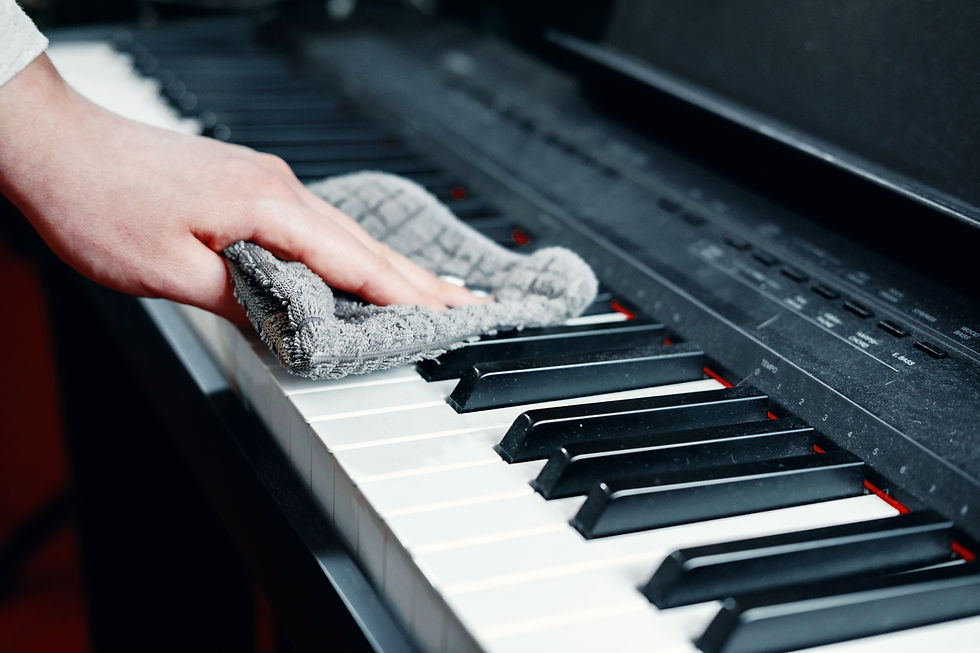
Digital pianos are designed to make piano ownership easier. Unlike acoustic pianos, they don't have strings that need tuning or soundboards that respond directly to changes in humidity. But that doesn't mean they are completely unaffected by their environment.
For digital piano owners in Hawaiʻi, humidity, salt air, heat, dust, sunlight, and moisture can all be worth considering. While a digital piano generally requires less maintenance than an acoustic instrument, proper care can help protect its electronics, keys, finish, connections, and other components over time.
Understanding how to take care of a digital piano is especially important in a coastal environment. With a few simple habits and thoughtful placement, owners can help keep their instrument clean, functional, and ready to play.
How Is Digital Piano Care Different From Acoustic Piano Care?
One of the biggest advantages of a digital piano is that it doesn't require many of the maintenance tasks associated with an acoustic piano.
An acoustic piano contains strings, hammers, a soundboard, and hundreds of moving components that respond to changes in temperature and humidity. Digital pianos create sound electronically, so they don't need traditional tuning and generally don't require the same type of humidity management.
However, digital pianos are still electronic instruments.
They contain electrical components, circuit boards, connections, speakers, sensors, displays, and other technology that should be protected from excessive moisture, heat, dust, and physical damage.
This means digital piano maintenance is less about tuning and regulating the instrument and more about creating a suitable environment, keeping it clean, protecting its electronics, and following the manufacturer's care recommendations.
How to Take Care of a Digital Piano in Hawaii
The basic principles of how to take care of a digital piano are straightforward.
Start by keeping the instrument indoors in a stable environment. Avoid exposing it to excessive heat, direct sunlight, moisture, or sudden environmental changes whenever possible.
It's also a good idea to:
Keep liquids away from the piano
Avoid placing the instrument directly next to open windows
Keep it away from kitchens and bathrooms
Protect it from prolonged direct sunlight
Keep vents and openings free from dust
Avoid placing objects on top of the instrument that could damage the finish
Use a suitable cover when recommended by the manufacturer
Follow the manufacturer's cleaning and maintenance instructions
These habits are simple, but they can help reduce unnecessary wear and protect the instrument over the long term.
Does Hawaii's Humidity Affect a Digital Piano?
Humidity is one of the most common environmental concerns for piano owners in Hawaiʻi.
Digital pianos are generally less sensitive to humidity than acoustic pianos because they don't rely on a wooden soundboard and strings to produce their sound. That means most digital piano owners don't need to manage humidity in the same way an acoustic piano owner does.
However, excessive moisture can still be undesirable for an electronic instrument.
Very humid conditions can potentially affect electronic components, electrical connections, metal parts, and other materials. Condensation can also be a concern when an instrument is exposed to significant temperature changes.
For this reason, digital piano owners should focus less on trying to control the humidity to a specific level and more on avoiding excessive moisture and maintaining a stable indoor environment.
If your home regularly experiences very high humidity, particularly in a room without good ventilation or climate control, consider discussing the environment with a qualified piano professional.
What About Salt Air?
For homeowners living near the ocean, salt air is another environmental factor worth considering. Hawaiʻi's coastal lifestyle is part of what makes the islands special, but salty, humid air can be harder on electronics and metal components than a dry indoor environment.
You don't necessarily need to keep your digital piano in a completely sealed room. Instead, thoughtful placement can help limit unnecessary exposure.
Avoid positioning the instrument directly beside an open window or door where it will receive continuous coastal air. If your home is near the ocean, choosing a location farther inside the home can provide an additional layer of protection. Regular cleaning can also help prevent dust and residue from accumulating on the instrument.
How to Clean a Digital Piano
Knowing how to clean a digital piano properly is an important part of routine care.
Dust and fingerprints are normal with regular use, but cleaning an electronic instrument requires a little more caution than cleaning ordinary furniture.
In general, use a soft, clean cloth and follow the cleaning instructions provided by the manufacturer. For routine dusting, a dry or appropriately dampened cloth may be suitable depending on the instrument and manufacturer recommendations.
Most importantly, never spray cleaning products directly onto the piano. Liquid can potentially work its way into keys, buttons, controls, speakers, or other openings. Instead, if the manufacturer's instructions permit a cleaning solution, apply it to the cloth rather than directly to the instrument.
Take particular care around:
Keys
Buttons and controls
Displays
Speakers
Pedal connections
USB and other ports
Power connections
Vents and openings
If you're unsure which cleaning products are safe for your specific digital piano, consult the manufacturer's instructions before using them.
Where Should You Place a Digital Piano?
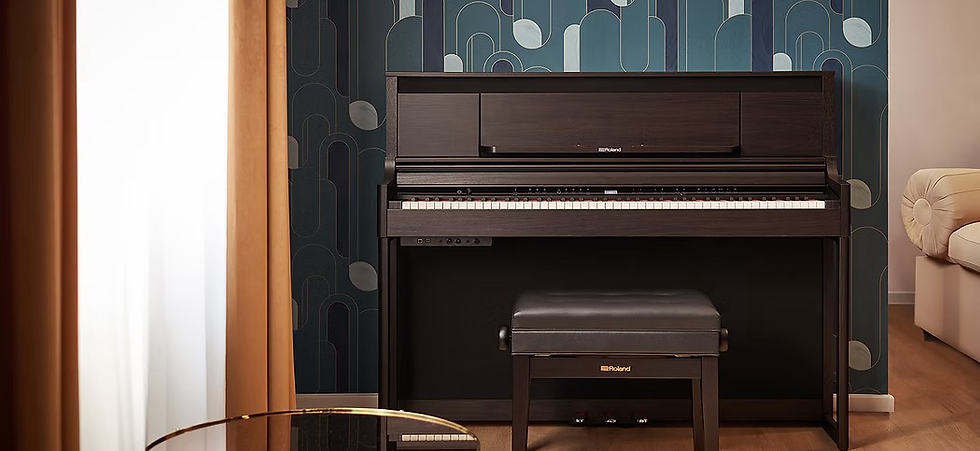
Placement is one of the easiest ways to improve long-term digital piano care.
Look for a stable indoor location that is away from direct sunlight, excessive heat, and moisture.
Avoid placing your piano:
Directly in front of a sunny window
Beside an open exterior door
Directly under or beside an air-conditioning vent
In a bathroom
In a kitchen where steam and temperature changes are common
In an area prone to spills or excessive moisture
Direct sunlight can heat the instrument and may also affect its finish over time. Strong airflow from an air-conditioning system can create an unnecessarily variable environment.
For homes in coastal areas, consider the direction of windows and doors as well. A location that is slightly farther from direct outdoor exposure can help limit contact with salty, humid air.
A good location should also provide enough room around the instrument for ventilation and
comfortable playing.
Don't Forget About Electrical Care
Because a digital piano depends on electronics, electrical care is another important part of ownership. Make sure the piano is connected according to the manufacturer's instructions and that power cords and connections are kept away from moisture.
Avoid overloading outlets with multiple high-demand devices, and consider appropriate surge protection if recommended for your instrument and home setup.
During extended periods when the piano won't be used, following the manufacturer's recommendations for powering down or unplugging the instrument can also be a sensible precaution.
If you notice unusual electrical behavior, damaged cords, intermittent power, or other issues, stop using the instrument and consult an appropriately qualified professional.
What Does Digital Piano Maintenance Look Like?
Unlike an acoustic piano, a digital piano doesn't need regular tuning. But that doesn't mean it should be completely ignored between purchases or performances. Basic digital piano maintenance involves paying attention to how the instrument looks, feels, and functions.
Periodically check for things such as:
Keys that feel unusual or don't respond properly
Pedals that aren't functioning correctly
Damaged power cords
Loose or damaged connections
Unusual sounds from the speakers
Problems with displays or controls
Dust accumulation around vents or openings
Digital pianos can also include software and firmware that may occasionally require updates, depending on the model.
Always follow the manufacturer's recommendations for updates and servicing rather than making changes that could interfere with the instrument's operation.
Caring for a Digital Piano Long Term
One of the benefits of owning a digital piano is that routine care can be relatively simple.
You don't need to schedule regular tuning simply because the seasons change, and you generally don't need the same specialized humidity-control approach required for an acoustic piano.
Instead, focus on prevention. Keep the instrument clean. Protect it from spills. Choose a location away from direct sunlight and excessive moisture. Keep the electronics and connections in good condition. Pay attention to how the keys, pedals, speakers, and controls are functioning.
If you're storing or transporting the piano, use appropriate protection and follow the manufacturer's recommendations. These small steps can help protect your investment and keep the instrument performing as intended.
Why Local Digital Piano Expertise Matters in Hawaii
Digital pianos may be designed for modern convenience, but where you live still matters.
Hawaiʻi's combination of humidity, coastal air, strong sunlight, and warm temperatures creates an environment that is different from many mainland locations. Understanding those conditions can help owners make smarter decisions about where they place and how they care for their instruments.
At Electric Piano Land, we understand that choosing a digital piano is about more than comparing features. Owners also need to know how an instrument will fit into their home, lifestyle, and local environment.
Whether you're purchasing your first digital piano or looking for ways to better care for one you already own, local expertise can help you make informed decisions about placement, maintenance, and long-term ownership.
Enjoying Your Digital Piano for Years to Come
Digital pianos are built to provide the experience and versatility of a piano without many of the maintenance requirements of an acoustic instrument. That doesn't mean they are maintenance-free.
In Hawaiʻi, paying attention to humidity, salt air, sunlight, moisture, cleaning, placement, and electrical connections can help protect your digital piano and extend its useful life.
The best approach to how to take care of a digital piano is simple: keep it clean, keep it dry, protect it from environmental extremes, and follow the manufacturer's recommendations.
With the right care, your digital piano can remain a reliable part of your home for years to come. Whether you're practicing every day, recording music, teaching lessons, or simply enjoying the convenience of having a piano whenever inspiration strikes.
Frequently Asked Questions
How do I take care of a digital piano?
Keep your digital piano in a stable indoor environment away from excessive heat, direct sunlight, moisture, and open coastal exposure. Keep liquids away from the instrument, clean it according to the manufacturer's recommendations, and periodically check the keys, pedals, connections, cords, and other components.
Do digital pianos need special care in Hawaii's climate?
Digital pianos generally require less climate-related maintenance than acoustic pianos, but Hawaiʻi's humidity, salt air, heat, and sunlight are still worth considering. Thoughtful placement, regular cleaning, and protection from excessive moisture can help protect the instrument.
How does humidity affect a digital piano?
Digital pianos are less sensitive to humidity than acoustic pianos, but excessive moisture can still potentially affect electronic components, connections, metal parts, and other materials. Keeping the instrument in a stable indoor environment and away from direct moisture is recommended.
How do I clean a digital piano safely?
Use a soft cloth and follow the manufacturer's cleaning instructions. Avoid spraying liquid directly onto the piano, and be especially careful around keys, controls, displays, speakers, vents, ports, and electrical connections.
Where should I place a digital piano in my home?
Choose a stable indoor location away from direct sunlight, excessive heat, moisture, and strong airflow. Avoid placing the instrument directly beside open coastal-facing windows, exterior doors, kitchens, or bathrooms. Make sure there is also adequate space around the instrument for ventilation and comfortable use.


Comments